Maintenance
|
Jul 23, 2019
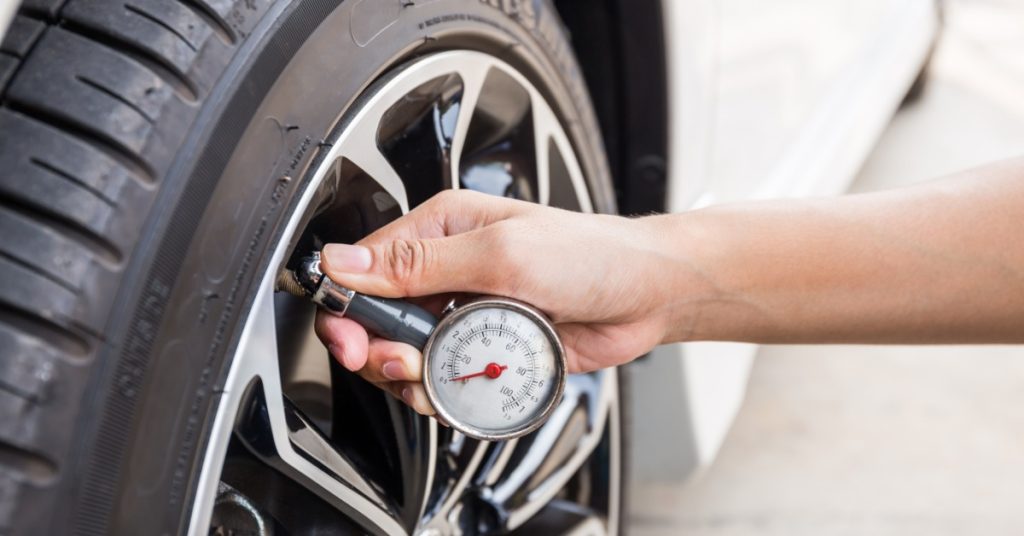
Your tires can look perfectly fine in the driveway and still be working against you once you hit the road. Knowing why it’s important to regularly check your tire pressure can help you catch small issues before they affect how your vehicle drives. Tire pressure directly affects performance, and ignoring it can lead to problems that are easy to prevent. A maintenance habit that takes very little time plays a clear role in how your vehicle performs on the road.
Tire pressure affects a lot of your everyday driving experience. Pressure changes how the tire sits against the road, which influences how the tire wears and how the vehicle responds over time. Even small pressure changes can affect the way a tire performs, especially when left unaddressed.
That is why tire pressure deserves more attention than it usually gets. A properly inflated tire supports the vehicle as intended, which is one reason RNR Tire Express’s Dothan tire shop treats pressure checks as a routine part of tire care.
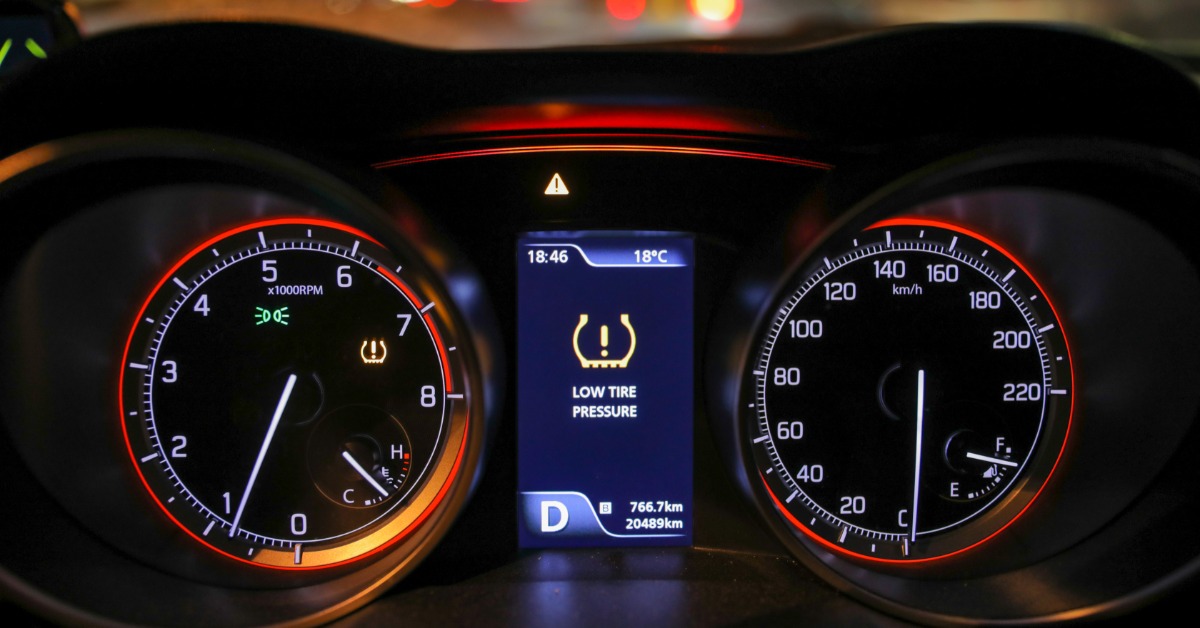
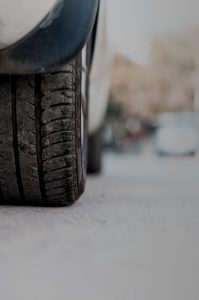
Incorrect tire pressure can create handling problems that many drivers do not connect to inflation. Underinflation can make a vehicle feel less controlled when the road demands a quick response. A tire with too little air flexes more than it should, which can weaken stability and make steering feel less precise. That extra movement can also make braking feel less consistent, especially when traffic changes suddenly.
Overinflation creates a different safety concern. When a tire is too firm, less of the tread stays planted against the road, which can reduce grip. That can make the vehicle feel harsher over bumps and less settled in everyday driving conditions.
The real issue is that these changes are not always obvious at first. A driver may adjust to the feel without realizing that the tires are no longer performing as they should.
Low tire pressure makes your vehicle work harder than it should. As resistance increases, the engine uses more fuel to keep the vehicle moving, and that added strain can turn into higher fuel costs over time. What seems minor on a single drive can become more expensive when it happens week after week.
The financial impact goes beyond the gas pump. Improper inflation can shorten a tire’s usable life, leading to earlier replacement than expected. For drivers trying to avoid unnecessary costs, regular pressure checks are one of the simplest ways to protect long-term value.
Tire pressure changes as outside temperatures rise and fall. Cooler air can lower pressure, while warmer conditions can raise it, which means a tire may need attention even when nothing is wrong with the tire itself. That is why pressure can shift from one week to the next without any visible warning.
This matters on the Gulf Coast, where changing temperatures are not limited to one season. Drivers may expect pressure changes in colder weather, but summer heat can affect inflation too. Keeping up with those seasonal shifts helps drivers treat tire pressure as something that changes with conditions, not something that stays the same all year.
A good rule of thumb is to check tire pressure at least once a month and before embarking on longer drives. That timing helps you catch gradual changes before they become larger problems.
Waiting for a dashboard warning should not be the only plan. Tire pressure monitoring systems are helpful, but they are not a replacement for routine attention. They may alert you after pressure has already moved too far from the ideal range. Consistent checks are simple, fast, and easier to build into a routine than many drivers expect.
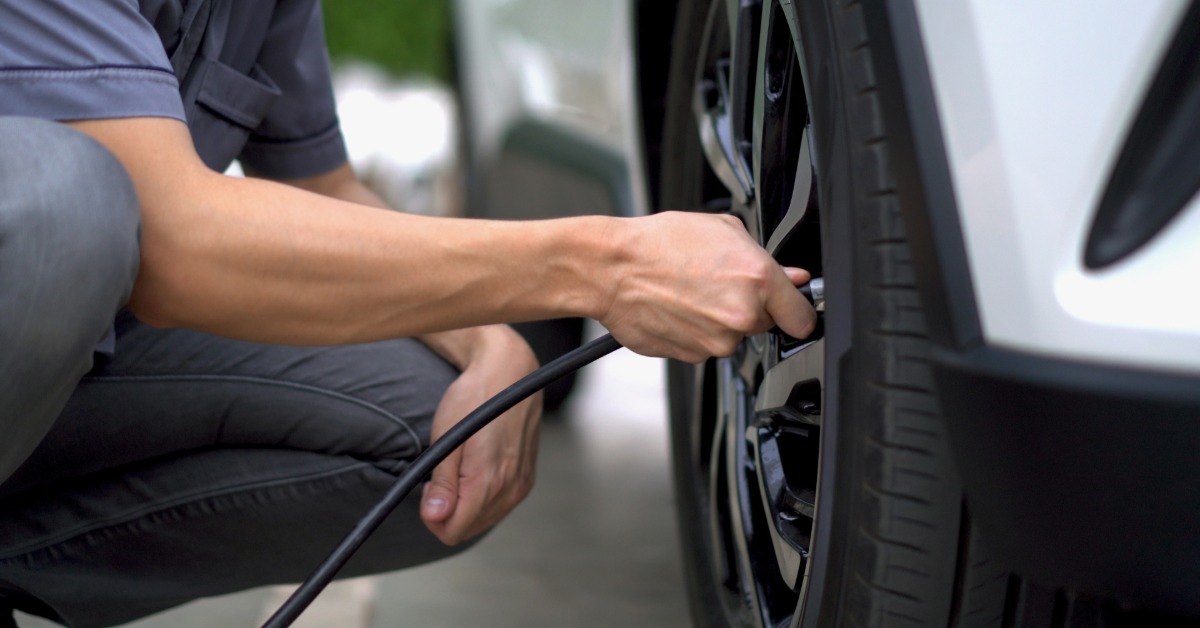
The most accurate time to check tire pressure is when the tires are cold, meaning the vehicle has been parked and not recently driven. Driving heats the tires and changes the reading, so checking right after the road can give you a number that does not reflect resting pressure.
Use a reliable tire pressure gauge and compare the reading to the vehicle manufacturer’s recommended PSI, usually listed on the sticker inside the driver’s doorjamb. That recommendation matters more than the number printed on the tire itself. The figure on the tire refers to a maximum limit, not the ideal everyday setting for your vehicle.
Check all four tires, not just the one that looks low, and do not forget the spare if your vehicle has one. A complete check only takes a few minutes, but it gives you a clearer picture of how your tires are performing as a set.
Sometimes your vehicle gives subtle clues before pressure issues become obvious. Paying attention to those changes can help you act sooner. These signs might include:
These signs do not always point to one cause, but they do signal that your tires deserve a closer look. The sooner you respond, the easier it is to correct minor issues before they affect performance more seriously.
Some pressure problems need more than added air. If one tire keeps losing pressure, the issue may involve a puncture, valve stem problem, wheel damage, or another condition that needs inspection. The same is true if you notice repeated warning lights or changes in handling that do not improve after the pressure is adjusted.
That is where a professional inspection can save time and prevent bigger problems. At RNR Tire Express, drivers can have their tires checked for inflation issues and wear, so they are not left guessing about what is happening on the road.
In the end, why it’s important to regularly check your tire pressure comes down to protecting your safety and your tires’ longevity before small issues grow into expensive ones.
By signing up you agree to our Privacy Policy.