Tires
|
May 30, 2019

Your vehicle’s weight has a direct impact on how your tires perform, from the way they grip the road to how long they last. A compact sedan and a full-size SUV may travel the same roads, but their tires face very different demands. Check out the reasons vehicle weight matters in tire selection to find a set that suits your vehicle.
Every tire supports a portion of your vehicle’s weight, but that responsibility extends beyond the number on the scale. Your tires must also handle forces from acceleration, sharp turns, and sudden stops. As vehicle weight increases, those demands can become more intense, especially during highway travel or on uneven pavement.
A heavier vehicle places greater pressure on the tire’s internal structure and its contact with the road. Tire manufacturers account for these forces through specific designs, materials, and load capacities. That’s why a tire that performs beautifully on a lightweight sedan may not suit a larger SUV, even if the dimensions appear similar.
Curb weight refers to how much your vehicle weighs with its standard equipment and necessary fluids, but without passengers or cargo. Once you add people, luggage, or equipment, the total weight rises. This additional weight affects the demands placed on your tires, particularly during longer trips.
Consider a family SUV packed for a weekend vacation. Four passengers, several suitcases, and a full cargo area can add hundreds of pounds beyond its curb weight. Your tires need enough load capacity to support those conditions without exceeding their rated limits.
Your vehicle manufacturer specifies a minimum tire load capacity based on the vehicle’s design and intended use. Choosing tires below that requirement can expose them to excessive stress and raise the risk of premature damage. It can also affect vehicle control, especially under a substantial load.
A higher load index isn’t automatically a better choice, either. Tire construction, inflation requirements, and manufacturer recommendations still deserve attention. The best approach is to select tires that meet the vehicle’s specifications rather than focus on one number alone.
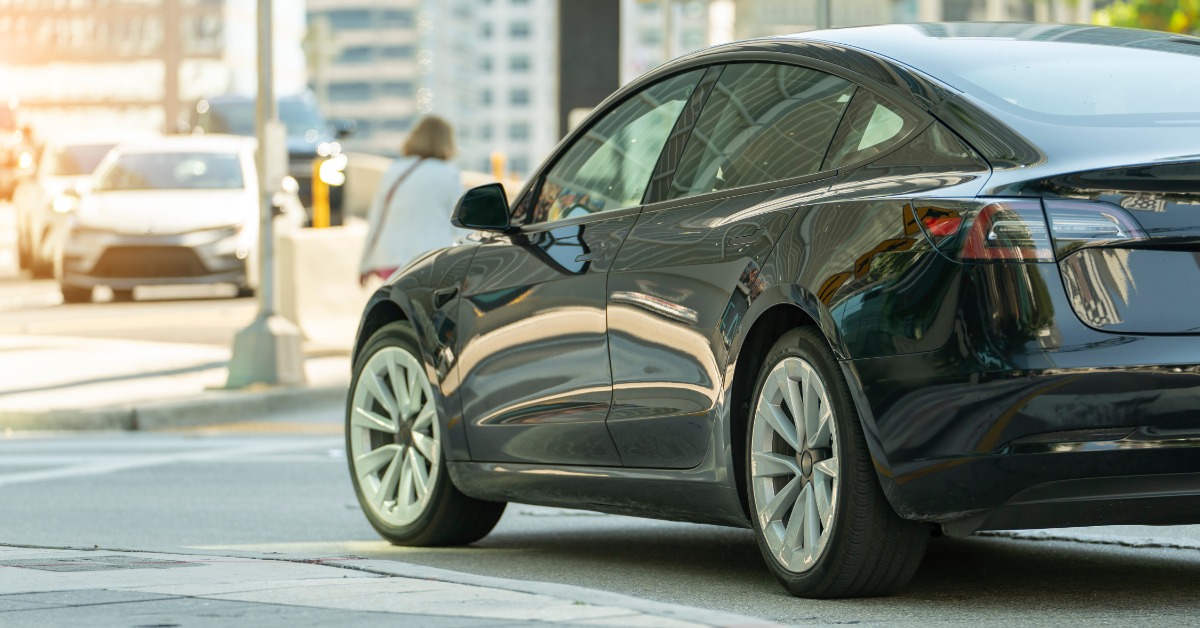
Vehicle weight affects more than immediate road performance. It also contributes to the forces that gradually wear down tire tread. Heavier vehicles can place greater demands on their tires, particularly during acceleration and braking.
Think about two drivers who travel the same distance each week. One drives a compact car, and the other operates a large SUV with a full passenger load. Their tires may experience different wear patterns due to vehicle weight, tire design, road conditions, and individual habits.
Proper inflation helps tires support their intended loads and maintain suitable contact with the pavement. Underinflated tires flex more than intended, produce excess heat, and can wear unevenly. Excessive inflation can also alter the contact patch and reduce ride comfort.
Weight distribution deserves attention as well, especially when your vehicle carries substantial cargo. Heavy items concentrated toward one axle can increase the load on those tires. Follow your vehicle manufacturer’s tire pressure recommendations and respect the vehicle’s axle and total weight limits.
Not every vehicle benefits from the same tire construction. Larger SUVs, trucks, and certain electric vehicles may require tires with higher load capacities than those used on smaller passenger cars. Their additional mass places different demands on tire structure and road performance.
For instance, a pickup truck used primarily for commuting has different tire requirements than the same truck with a heavy cargo load. The vehicle’s specifications establish the baseline, but its intended use also helps determine an appropriate tire choice. A tire professional can explain available options without pushing you toward unnecessary upgrades.
Passenger tires commonly feature Standard Load or Extra Load classifications. Extra Load tires can support greater loads at their specified higher inflation pressures compared with equivalent Standard Load tires. Their construction accommodates additional demands, but that doesn’t mean every driver needs them.
Your owner’s manual and vehicle tire placard provide a useful starting point. If your vehicle requires Extra Load tires, replacing them with an unsuitable Standard Load alternative can create problems. Always confirm compatibility before choosing a replacement set.

Tires influence how your vehicle responds when you steer, brake, or accelerate. Additional weight increases the forces involved in these maneuvers, especially during abrupt changes in direction. Tire construction and traction characteristics help determine how effectively the vehicle responds.
A fully loaded SUV, for example, may feel less responsive during a quick lane change than it does with only the driver aboard. Suitable tires support predictable performance, but they can’t eliminate the effects of extra mass. Safe speeds and adequate space between vehicles remain valuable precautions.
The right tire choice starts with your vehicle’s requirements, but your regular habits deserve consideration too. Someone who travels mostly through city streets may prioritize comfort and tread life. A driver who spends hours on highways with passengers and cargo may have different preferences.
Before you shop, take a moment to review a few practical details:
These details give tire professionals a clearer picture of your expectations. They also help narrow the available choices without sacrificing compatibility. A smart selection can support dependable performance throughout your everyday travels.
Now, you know why vehicle weight matters in tire selection. The right tires will support your vehicle’s intended performance and help you feel more confident on the road. There’s no reason to guess about load ratings or compatibility when professional guidance is available. Visit our tire shop in Laurel, MS, today and explore tire choices that support your vehicle, your travels, and your peace of mind.
By signing up you agree to our Privacy Policy.