Tires
|
May 30, 2019

Drivers often focus on tread wear, road hazards, and inflation pressure when it comes to their tires. Yet many overlook the steady impact of sun exposure. Ultraviolet rays, heat, and ozone slowly break down tire compounds, even when you park your car.
This damage builds gradually and often goes unnoticed until cracking or performance issues appear. Understanding how sun exposure affects tires over time helps drivers protect their investment and avoid unexpected replacements.
Sun exposure can affect your tires over time, whether you’re a casual driver or an everyday commuter. Drivers who park outdoors in hot climates face higher risks of premature wear. With the right knowledge and routine care, vehicle owners can reduce the effects of prolonged UV exposure.
Tires contain rubber compounds blended with oils, carbon black, and stabilizing additives. These materials work together to provide flexibility, grip, and structural strength. Ultraviolet radiation breaks down the chemical bonds within rubber compounds over time. As these bonds weaken, the rubber loses elasticity and becomes brittle.
Manufacturers include protective agents that slow this degradation process. However, no tire resists UV exposure indefinitely. Prolonged sunlight eventually overpowers these defenses, especially in high-heat regions. This chemical breakdown explains why tires that look fine one year may show cracking the next.
Sun exposure does more than fade sidewalls. Direct heat increases the internal temperature of a parked tire, even when the vehicle does not move. Elevated temperatures cause expansion within the rubber and internal components. Repeated expansion and contraction cycles strain the tire’s structure.
Over time, this stress weakens internal belts and sidewall integrity. Drivers may notice bulges, separations, or uneven wear patterns. Excessive heat also accelerates oxidation, which dries out the rubber. This combination of UV radiation and thermal stress shortens overall tire lifespan.
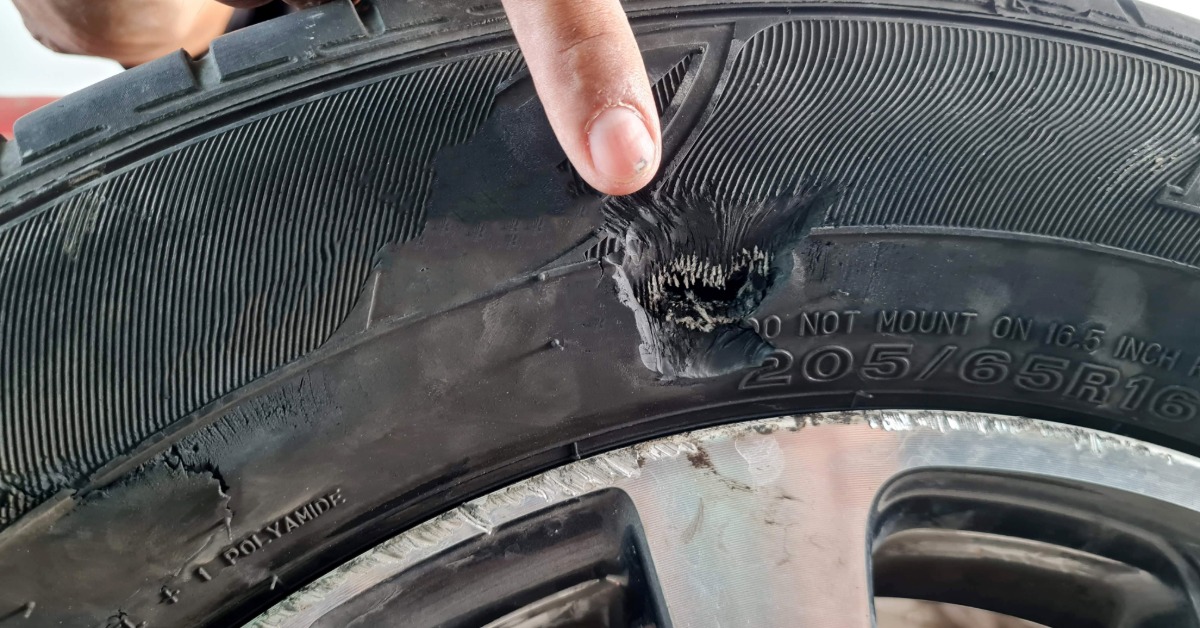
Sun damage does not happen overnight, but it leaves clear warning signs. Drivers should inspect their tires regularly to catch early symptoms. Surface-level cracks often appear first along the sidewalls. Fading or discoloration also signals the breakdown of the compound.
Watch for these common indicators:
These symptoms indicate material degradation rather than simple cosmetic wear. Ignoring them increases the risk of sudden failure. A professional inspection at RNR Tire Express can confirm whether replacement becomes necessary.
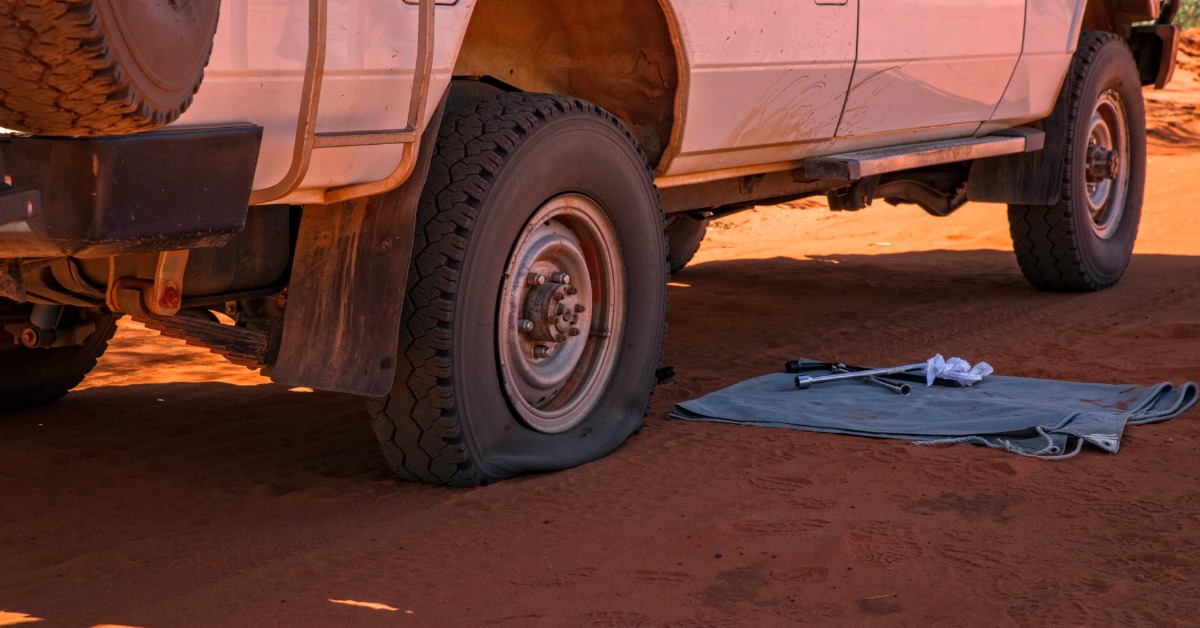
Ozone in the atmosphere reacts with rubber at a molecular level. This reaction causes fine cracks that often appear along the sidewalls. Sunlight intensifies ozone’s effects, especially in urban environments with higher pollution levels. Tires exposed to both sunlight and ozone deteriorate faster than those stored indoors.
Parking near electric motors, generators, or industrial equipment may increase ozone exposure. Even residential garages with certain appliances can produce low levels of ozone. Outdoor parking, however, presents the highest cumulative risk. Drivers in warmer climates must pay particular attention to these environmental factors.
Many drivers assume movement causes most tire wear. In reality, stationary vehicles often experience significant sun-related damage. A parked car is constantly exposed to UV radiation without the protective benefit of rotation or flexing on the road. Tires that sit unused for extended periods dry out faster.
Recreational vehicles, project cars, and secondary vehicles face elevated risk. Outdoor storage compounds the issue when vehicles remain parked for weeks or months. Even daily drivers suffer damage when parked in uncovered lots for extended work hours. Shade and protective barriers reduce this exposure dramatically.
Compromised rubber affects more than appearance. Brittle sidewalls reduce flexibility during cornering and braking. Cracks weaken the structure and increase the risk of blowout at highway speeds. Reduced elasticity also impacts traction, especially in wet conditions.
Sun-damaged tires may lose air more quickly due to microfractures. Drivers might notice frequent pressure adjustments without obvious punctures. Handling becomes less predictable as the rubber stiffens. Addressing these issues early protects both safety and vehicle performance.
Geographic location significantly influences how sun exposure affects tires over time. Regions with intense sunlight and high temperatures create harsher conditions. Desert climates and southern states expose tires to extreme UV levels year-round. Drivers searching for tires in Tucson often experience these accelerated aging effects firsthand.
Humidity levels also affect rubber performance. Dry heat tends to cause faster cracking, while fluctuating temperatures create expansion stress. Seasonal shifts may hide gradual deterioration until visible damage appears. Drivers in hotter climates should inspect tires more frequently and replace them proactively when needed.
Preventative care significantly extends tire life. Simple steps reduce UV and heat damage without major investment. Consistent maintenance helps drivers preserve tread integrity and sidewall strength.
Consider these protective strategies:
Proper inflation prevents excess stress during heat expansion. Clean surfaces allow protective compounds within the rubber to function effectively. Tire covers block direct UV rays during extended parking. These small habits collectively slow degradation.
Not all tires offer the same level of resistance to environmental stress. Manufacturers engineer advanced compounds with improved UV stabilizers and anti-oxidation agents. Higher-quality models maintain flexibility longer under harsh sunlight. Investing in reputable brands often results in longer service life.
RNR Tire Express carries a complete line of quality tires suited for various climates and driving styles. Our knowledgeable staff can help you compare durability features and performance ratings. You can also explore convenient payment options to manage replacement costs comfortably.
While sun exposure can affect your tires over time, that doesn’t mean you can’t do anything to prevent damage. With the right maintenance steps, you can drive confidently, rain or shine.
Drivers who ignore early cracking may face blowouts or uneven wear that affects suspension components, increasing their overall tire costs. Preventative action protects both safety and finances.
Regular inspections, proper storage, and proactive replacement extend tire performance. Sun exposure affects every vehicle, but if you stay on top of your maintenance routine, you can dramatically reduce your risks on the road. With guidance from RNR Tire Express, you can keep your vehicle safer and protect your investment year-round. Visit us today to find the perfect tires for your vehicle and stay safe on the road.
By signing up you agree to our Privacy Policy.