Tires
|
May 30, 2019
Every driver depends on quick stopping power in daily travel and in emergency situations. Tire pressure directly affects braking distances and can even change and reduce traction, weaken stability, and increase stopping distance on wet or dry pavement. Drivers who maintain proper tire inflation improve braking performance and tire longevity.
Modern vehicles rely on balanced tire contact with the road to deliver a reliable braking response. Tires support the vehicle’s entire weight while distributing pressure evenly across the tread surface. Incorrect inflation changes how the tire grips the pavement during sudden stops. Understanding this relationship helps drivers avoid unnecessary risks and expensive tire damage.
Tire pressure controls how much of the tread touches the road surface during braking. Proper inflation allows the tire to maintain consistent traction while the brakes reduce vehicle speed. Underinflated or overinflated tires reduce the size and effectiveness of the contact patch. Reduced traction forces the braking system to work harder, increasing stopping distance.
Braking performance depends on the friction between the tire tread and the road. Tires with proper inflation distribute weight evenly across the tread pattern for maximum grip. Low pressure causes excessive sidewall flex, which reduces responsiveness during sudden braking. High pressure reduces tread contact and limits the tire’s ability to hold the road under heavy braking force.
Underinflated tires create a sluggish braking response because the tread does not maintain stable contact with the road. Excessive flex in the sidewall causes the tire to deform under the vehicle’s weight. That movement delays braking response and reduces handling precision. Vehicles with low tire pressure often need more distance to come to a complete stop.
Heat buildup presents another problem with underinflated tires. Increased rolling resistance raises internal tire temperatures and accelerates tread wear. Worn tread loses traction quickly during hard braking, especially in rain or on slick roads. Drivers who ignore low tire pressure increase the risk of skidding and hydroplaning during emergency stops.
Low pressure also affects braking balance across the vehicle. Uneven inflation causes some tires to grip differently than others during deceleration. That imbalance may lead to pulling, instability, or reduced steering control. Drivers who notice slow handling response should check tire pressure immediately.
Many drivers focus only on low pressure, but excessive inflation creates serious braking problems as well. Overinflated tires reduce the amount of tread touching the pavement because the center of the tire bulges outward. Less road contact reduces traction during hard braking. Vehicles with overinflated tires often slide more easily during sudden stops.
Overinflation also creates a harsher ride, reducing overall tire stability. The tire absorbs less road impact because the inflated structure becomes rigid. That rigidity limits the tire’s ability to conform to uneven pavement during braking. Reduced surface adaptability weakens grip and increases stopping distance.
Wet roads create even greater risks for overinflated tires. Smaller contact patches struggle to channel water away effectively during braking. Hydroplaning becomes more likely because the tire cannot maintain consistent contact with the road. Proper inflation helps tires maintain predictable braking performance in changing weather conditions.
Modern anti-lock braking systems depend on accurate tire performance to function correctly. ABS prevents wheel lockup by adjusting brake pressure during sudden stops. Incorrect tire pressure interferes with the system’s ability to measure wheel speed and traction. Drivers may experience longer stopping distances when tires are underinflated.
Underinflated tires can delay ABS response because they flex excessively under braking pressure. Overinflated tires may trigger faster wheel slip because the reduced contact patch limits traction. In both situations, the braking system cannot perform at peak efficiency. Proper tire pressure allows ABS technology to react consistently and maintain vehicle control.
Drivers often overlook subtle symptoms that indicate inflation problems. Tire pressure issues usually develop gradually before creating noticeable braking concerns. Recognizing early warning signs can help drivers prevent unsafe stopping conditions. Routine inspections remain one of the simplest ways to protect braking performance.
Common signs of improper tire pressure include:
Drivers who notice these symptoms should inspect tire pressure immediately. Regular pressure checks help prevent tire damage and improve overall vehicle control. Proper inflation also supports longer tread life and more predictable braking behavior.
Correct tire pressure does more than improve stopping distance. Balanced inflation helps tires wear evenly across the tread surface. Even tread wear preserves traction and supports reliable braking performance throughout the tire’s life. Drivers who maintain proper tire pressure often significantly extend tire lifespan.
Underinflated tires wear heavily along the outer edges because the tread collapses inward. Overinflated tires wear rapidly through the center of the tread. Both conditions reduce the tire’s ability to grip the road during braking. Consistent inflation protects the tire structure and maintains stable traction.
Professional tire inspections help identify pressure-related wear patterns early. Drivers searching for dependable tires in Tucson should prioritize shops that offer comprehensive tire maintenance and pressure checks, such as RNR Tire Express. Our team provides tire services to maintain your vehicle, along with reliable replacements when needed.
Drivers should check tire pressure at least once each month. Pressure should also be inspected before long trips or major weather changes. Tires perform best when inflated according to the manufacturer’s recommended specifications. Those recommendations usually appear on the driver’s side door placard or in the owner’s manual.
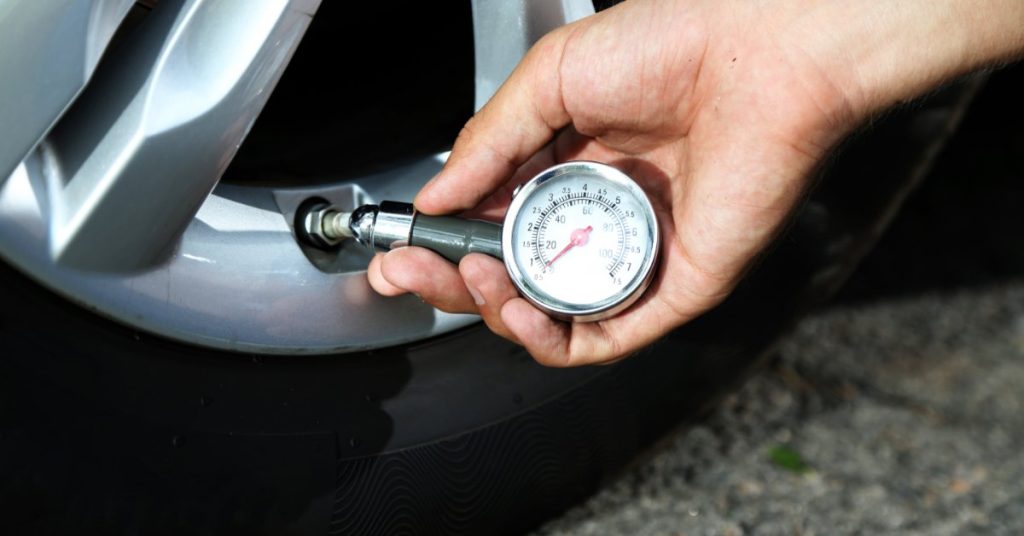
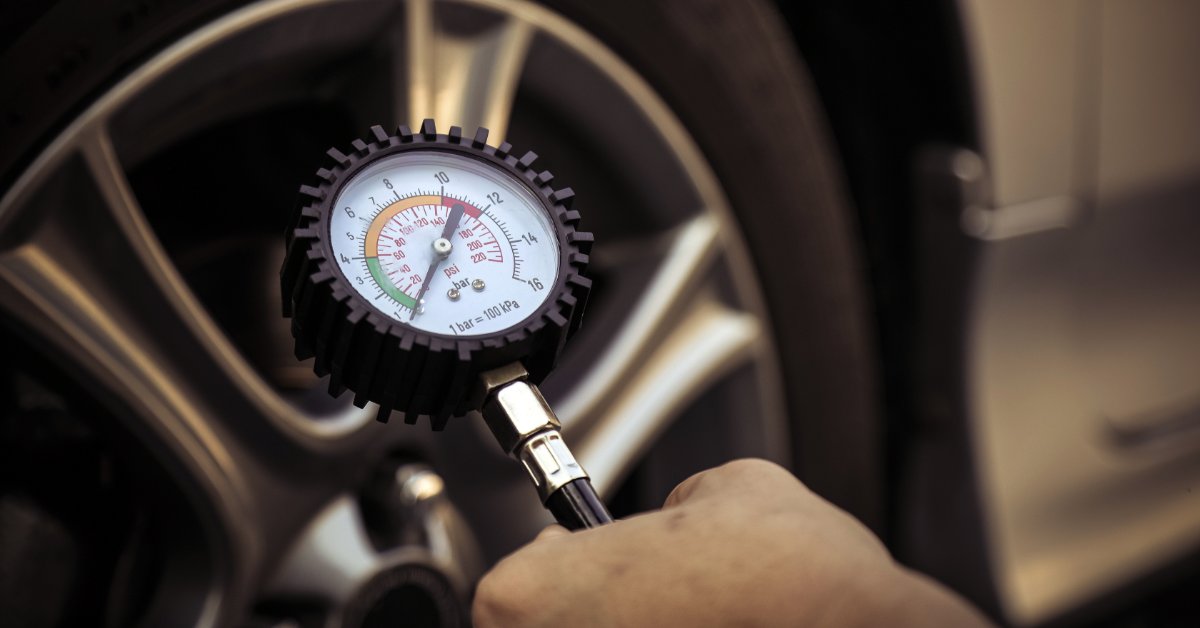
Pressure readings should be taken when the tires are cold for the most accurate results. Driving heats the tires and temporarily increases pressure readings. A quality tire gauge provides fast and accurate measurements at home or at the tire shop. Routine monitoring helps drivers avoid unexpected braking performance issues.
Tire pressure’s effect on braking distance enhances vehicle safety. A few extra feet during an emergency stop can determine whether a driver avoids a collision. Tire pressure directly influences traction, handling, and braking stability across all road conditions. Drivers who maintain proper inflation improve control and reduce avoidable risks behind the wheel.
Consistent tire maintenance protects both the vehicle and its occupants. Routine pressure checks take only a few minutes but provide long-term safety benefits. Drivers who prioritize tire care give themselves the best chance of maintaining control during sudden braking situations.
RNR Tire Express helps drivers maintain safe, reliable tire performance with professional inspections and flexible payment options on quality tire brands. Our experienced technicians can evaluate tire pressure and braking-related concerns to help vehicles perform at their best. Drivers who want stronger traction and dependable stopping power should visit RNR Tire Express for expert tire care and personalized service.
By signing up you agree to our Privacy Policy.