Safety Tips
|
Aug 9, 2019

Mountain roads reward drivers with incredible views and unforgettable experiences. They also place greater demands on tires than flat highways or city streets. Steep grades, winding curves, changing temperatures, and rough pavement challenge tire performance every mile.
Proper tire care helps drivers stay safer and protect their vehicle throughout every mountain adventure. Follow these must-have tire care tips for mountain driving to ensure your next adventure is safe and fun.
Proper tire pressure forms the foundation of safe mountain driving. Tires with incorrect pressure reduce traction, increase uneven wear, and affect steering response during climbs and descents.
Mountain routes often include rapid elevation changes that influence tire pressure throughout the journey. Drivers should always check pressure while tires remain cold and follow the vehicle manufacturer’s recommended specifications.
Temperature changes also affect inflation levels. Cool mornings and warm afternoons can create noticeable pressure differences during longer drives. Regular pressure checks help maintain consistent handling in changing mountain conditions. Keeping a quality tire gauge inside the vehicle makes inspections simple before every trip.
Mountain roads demand dependable traction in every season. Strong tread channels help move water away from the contact patch while improving grip on gravel, dirt, or wet pavement. Worn tread limits braking performance and increases the likelihood of slipping on steep roads. Drivers should inspect tread depth regularly instead of waiting for obvious signs of wear.
Uneven tread wear also deserves attention before heading into mountainous terrain. Irregular patterns may indicate alignment issues, suspension concerns, or improper inflation. Addressing these problems early improves tire life and vehicle stability. Healthy tread gives drivers greater confidence around sharp curves and changing road surfaces.
Routine tire rotations promote even wear across every tire. Front and rear tires often wear differently because they handle different driving forces during acceleration, braking, and steering. Mountain driving increases these differences through constant elevation changes and winding roads. Following the recommended rotation schedule helps maximize tire performance.
Drivers who skip rotations often notice reduced handling and shorter tire lifespan. Even tire wear creates more predictable steering and braking characteristics throughout demanding drives.
Professional inspections during rotations also help identify developing problems before they become expensive repairs. Consistent maintenance supports safer mountain travel year after year.
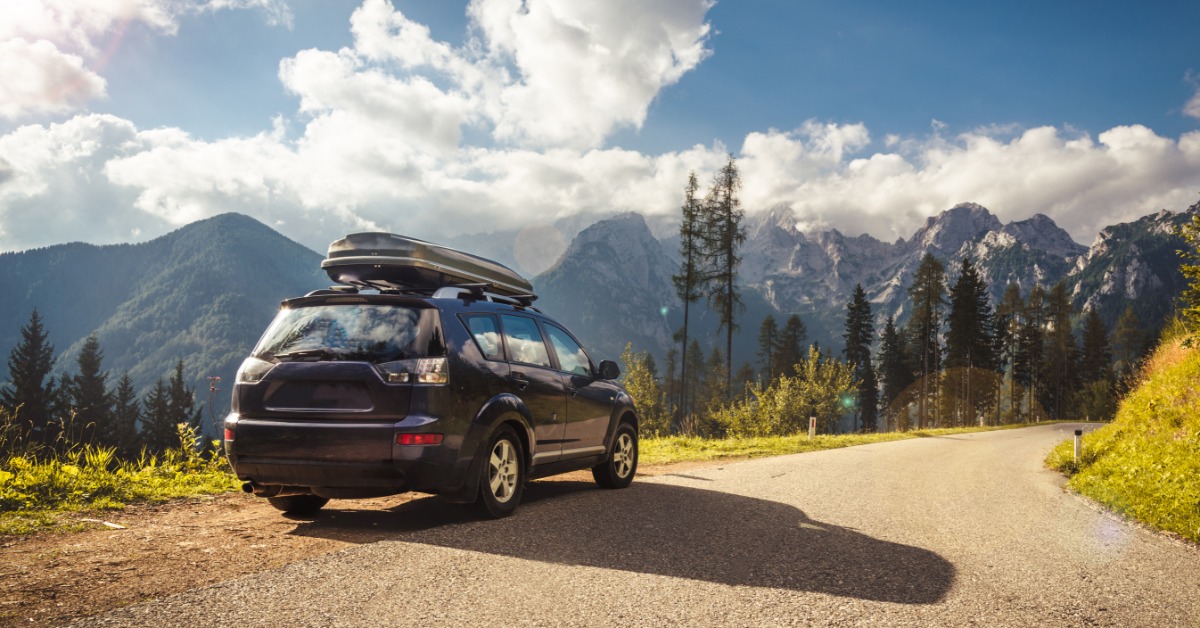
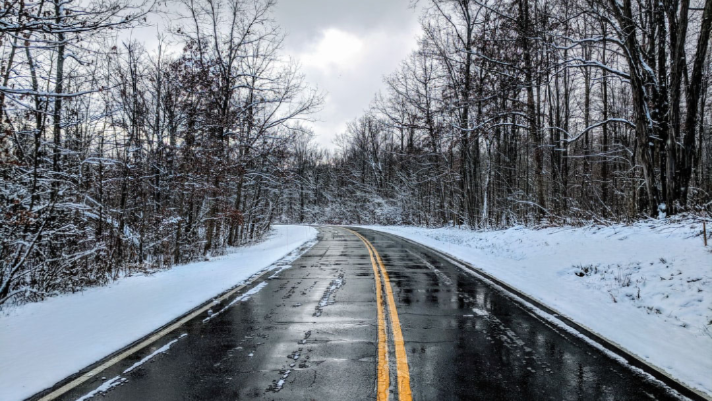
Mountain weather can change within minutes. Bright sunshine may quickly give way to rain, fog, or even snow at higher elevations. Tire condition plays an important role when road surfaces become unpredictable. Drivers who prepare before leaving home enjoy greater confidence throughout the trip.
Several simple steps improve tire readiness before entering mountain roads:
These small preparations reduce the chance of unexpected tire problems far from assistance. Preventive maintenance always proves easier than roadside repairs in remote mountain areas.
Mountain descents create significant heat because drivers brake more frequently. Excessive heat places additional stress on tires and increases wear over time. Proper driving techniques help reduce unnecessary heat buildup while protecting braking components. Lower gears assist with speed control and reduce dependence on constant braking.
Drivers should also avoid overloading the vehicle before mountain trips. Extra weight increases heat generation and places additional stress on every tire. Following vehicle load recommendations supports better tire performance throughout steep climbs and descents. Cooler-running tires generally provide more consistent handling during extended mountain travel.
Mountain roads often contain hazards that drivers rarely encounter in urban environments. Sharp rocks, broken pavement, fallen branches, and loose gravel can damage tire sidewalls or puncture tread. Staying alert allows drivers to avoid many of these obstacles before they become serious problems. Safe following distances also improve reaction time when hazards appear around blind curves.
Drivers should inspect tires after completing challenging mountain routes. Small cuts or embedded objects may seem harmless at first but can worsen during future trips. Prompt inspections help prevent slow leaks and unexpected failures. A quick visual check protects both safety and tire longevity.
Wheel alignment directly affects tire wear and vehicle stability. Mountain roads frequently include potholes, rough pavement, and uneven surfaces that gradually alter alignment settings. Poor alignment causes tires to wear unevenly and reduces steering precision through tight corners. Regular inspections help maintain predictable handling.
Drivers may notice warning signs such as pulling to one side or an off-center steering wheel. Vibrations and rapid shoulder wear also suggest alignment problems. Addressing these concerns early helps preserve tire life while improving overall driving comfort. Professional alignment services restore proper tire contact with the road.

Not every tire performs equally on mountainous roads. Drivers should consider tread design, load capacity, and seasonal driving conditions before purchasing replacement tires. All-terrain or highway all-season tires may suit different driving habits depending on the routes traveled most often. Choosing the correct tire improves confidence in varying elevations and weather conditions.
Professional guidance simplifies the selection process. Drivers who frequently travel through mountain regions benefit from expert recommendations based on vehicle type and driving style. Visiting RNR Tire Express ensures your tires are taken care of. Our tire shop in Tucson provides valuable insight when comparing available tire options.
Every tire eventually reaches the end of its service life. Visible tread wear indicators, repeated punctures, sidewall cracking, or vibration often signal replacement time. Waiting too long increases safety risks, especially on steep mountain roads where dependable traction matters most. Replacing worn tires before major trips helps avoid unnecessary problems.
Age also affects tire performance even when tread appears acceptable. Rubber compounds gradually lose flexibility through years of exposure to sunlight, heat, and changing weather. Routine inspections help identify aging before it compromises safety. Replacing older tires supports reliable handling throughout every mountain journey.
Mountain driving offers memorable scenery and rewarding experiences, but every trip demands dependable tire performance. Following these tire care tips for mountain driving contributes to safer travel through changing elevations and challenging road conditions. Small maintenance efforts today help prevent larger problems tomorrow while extending tire life.
RNR Tire Express helps drivers prepare for every road, including demanding mountain routes. Our experienced professionals provide quality tire care and flexible payment options for replacement tires that fit a variety of budgets.
Whether planning a weekend mountain getaway or maintaining a daily driver, RNR Tire Express offers dependable products and expert service. Visit your local RNR Tire Express today to keep your tires ready for every adventure.
By signing up you agree to our Privacy Policy.