Wheels
|
Jul 1, 2019
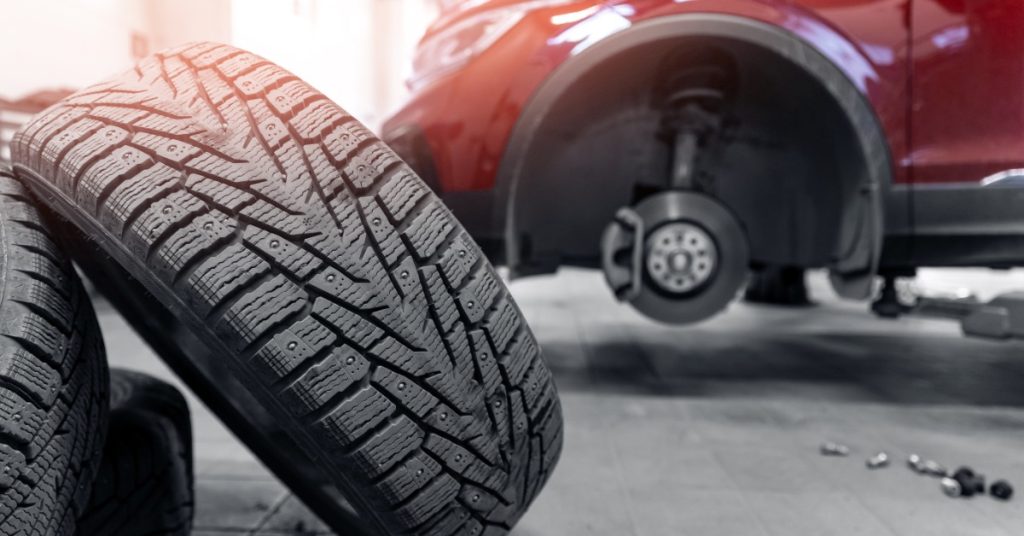
Bigger wheels and tires can give your vehicle a bold new look, but is upgrading really worth it? While larger wheels can enhance your vehicle’s appearance and handling, they can also create unexpected challenges for everyday driving.
From changes in ride comfort to potential increases in fuel consumption, choosing a bigger setup involves more than personal preference. Understanding the pros and cons of larger wheels and tires can help you decide whether an upgrade makes sense for your vehicle, driving habits, and budget.
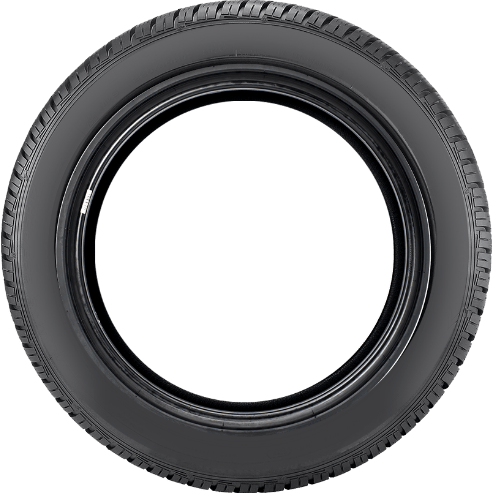
Wheel diameter and tire size describe different parts of the same setup. A larger wheel has a greater rim diameter, such as moving from a 17-inch wheel to an 18-inch wheel. A larger tire may have a greater overall diameter, a wider tread, or both. Those changes don’t always happen together, and each one affects how the vehicle drives.
Some drivers choose larger wheels with shorter tire sidewalls to keep the overall tire diameter close to the original size. Others want taller tires that increase ground clearance, especially on trucks and SUVs. The right approach depends on the vehicle’s specifications and the driver’s priorities. Size alone never tells the whole story.
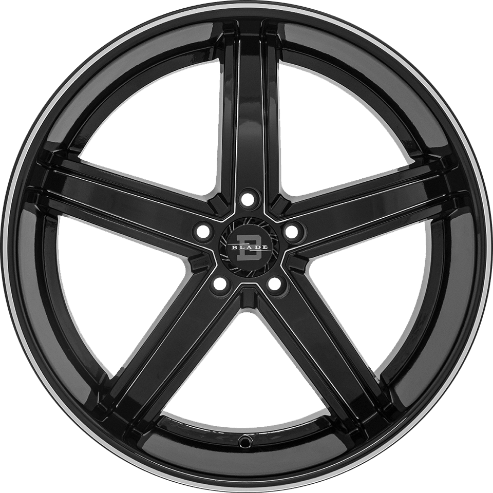
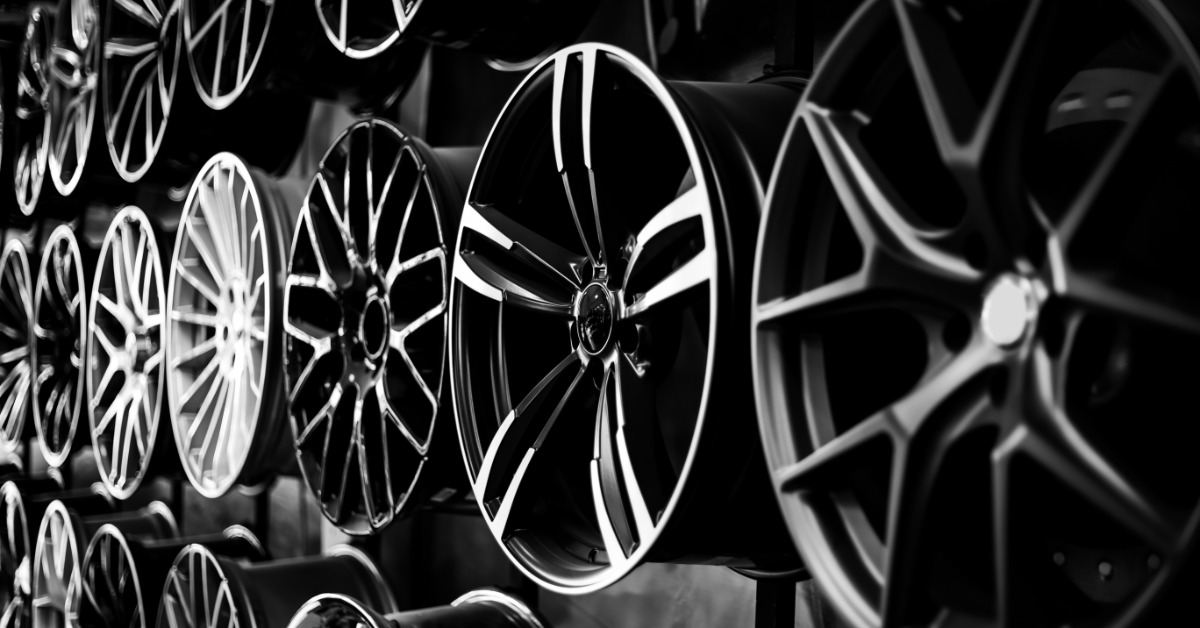
Appearance often motivates the switch to larger wheels and tires. Bigger wheels can fill out the wheel wells and give a vehicle a more assertive stance. Different wheel designs also let drivers personalize their cars without changing the bodywork. For many owners, that visual difference makes the upgrade worthwhile.
Taller tires can also complement the proportions of a pickup or SUV, particularly when the driver wants a rugged look. Yet proportions matter more than sheer size.
An oversized setup can crowd the wheel openings or look out of place on a smaller vehicle. Choosing a balanced combination usually creates a cleaner result than simply picking the biggest option available.
Larger wheels paired with lower-profile tires can sharpen steering response because shorter sidewalls generally flex less during turns. Wider tires may also offer more dry-road grip when their compound and tread design suit the conditions. Drivers who enjoy responsive cornering might notice a difference after a carefully matched upgrade. Still, wheel diameter alone does not guarantee better handling.
Tire construction, inflation pressure, vehicle weight, and road conditions all shape traction. A wider tire can struggle more with standing water in certain situations, and a heavier wheel can make the suspension work harder.
Drivers should compare complete tire models rather than assume that bigger always means better. Proper fitment remains essential for predictable control.
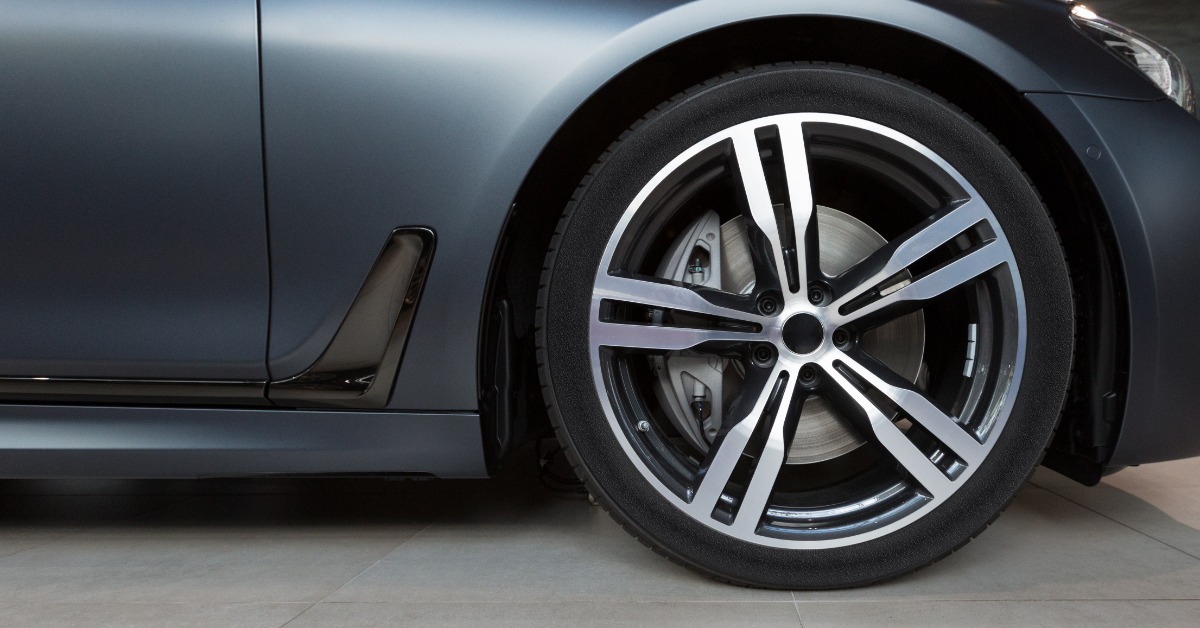
Drivers who spend time on uneven trails may benefit from taller tires. Increasing overall tire diameter raises the vehicle slightly, which can help the underside clear certain obstacles. Taller tires may also improve approach to ruts or rocky surfaces when the tread and construction suit off-road use. The improvement depends on actual tire dimensions, not just the number printed on the wheel.
This advantage comes with limits. Taller tires can contact fenders or suspension parts as the wheels turn and the suspension moves. Some vehicles need additional modifications to accommodate the change safely. Anyone planning an off-road setup should check clearances through the full range of steering and suspension travel.
A larger wheel often leaves less room for tire sidewall when drivers preserve the original overall tire diameter. That shorter sidewall absorbs less of the impact from potholes and rough pavement. As a result, drivers may feel bumps more sharply through the cabin during their daily commute. Road noise can also change depending on the tire model.
Lower-profile tires also leave less cushioning between the rim and the road. Hitting a deep pothole may increase the risk of wheel damage or tire sidewall damage. Drivers who prioritize comfort should weigh that tradeoff carefully, especially if their usual routes include cracked streets. A moderate size increase may offer the look they want without sacrificing as much ride quality.
Larger wheel and tire packages can cost more upfront, particularly when the upgrade calls for premium sizes or specialized designs. Replacement tires may also cost more than the original size. If the new wheels weigh more, the added rotating mass can affect acceleration and braking response. A heavier or wider setup may also increase rolling resistance and fuel consumption.
Not every larger wheel creates the same penalty. Materials, construction, tire choice, and overall dimensions make a difference. Before purchasing, drivers should consider more than the initial price tag. Long-term replacement costs and everyday driving needs deserve just as much attention as appearance. Drivers should also consider whether the upgrade changes the cost of future seasonal tire replacements.
Changing the overall tire diameter can alter speedometer readings because the wheel travels a different distance with each rotation. An unusually large change may also affect gearing feel and the behavior of vehicle systems that rely on wheel-speed information.
Wider tires or different wheel offsets can create rubbing near the fenders or suspension. These problems make fitment checks an important part of any upgrade.
Before selecting a package, drivers should review a few essentials:
A knowledgeable tire professional can help evaluate these details before installation. That extra planning can prevent expensive surprises later.
The best setup depends on how a vehicle is used most often. A commuter may value smooth ride quality and reasonable replacement costs, while a truck owner may prioritize ground clearance.
Drivers who want a sportier appearance can often achieve it without dramatically changing the overall tire diameter. A practical upgrade balances the desired look with the way the vehicle actually operates.
Start with the manufacturer’s approved sizes, then discuss any proposed changes with a tire specialist. Ask how the new package could affect clearance, comfort, and tire replacement costs. Drivers searching for a tire shop in Tucson can speak with the team at RNR Tire Express about wheel and tire combinations that fit their vehicle and goals.
Larger wheels and tires can deliver a bold appearance and useful performance changes, but every size increase involves trade-offs. The smartest choice starts with realistic expectations and a setup that respects the vehicle’s requirements. Rather than choosing by appearance alone, consider how the vehicle should feel on familiar roads.
Ready to upgrade your vehicle with larger wheels and tires? RNR Tire Express offers a wide selection of quality, brand-name wheels and tires to match your driving needs and personal style.
With affordable payment options and knowledgeable tire professionals, finding the right setup for your vehicle has never been easier. Visit your local RNR Tire Express today to explore your options and give your vehicle the upgrade it deserves!
By signing up you agree to our Privacy Policy.