Tires
|
May 30, 2019
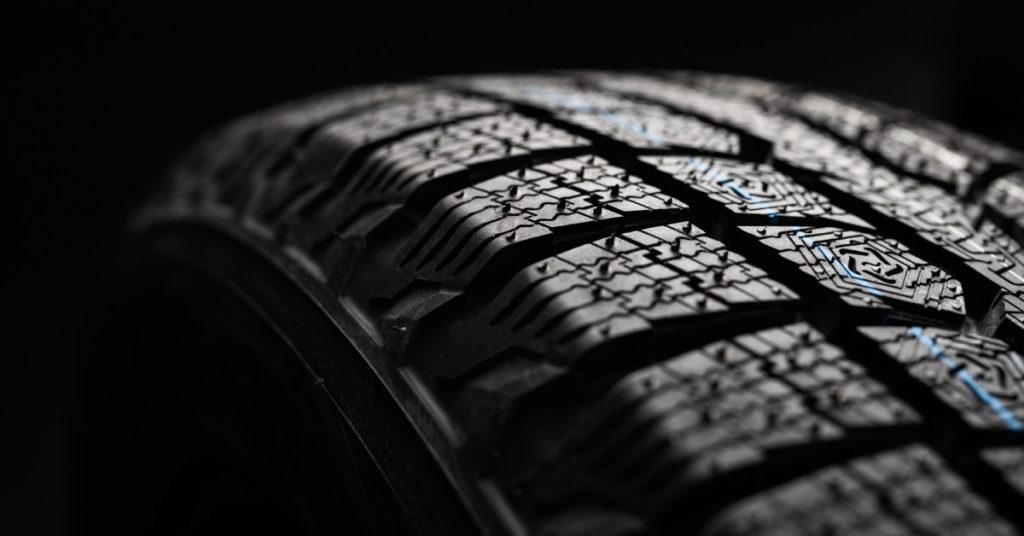
For over a century, the basic design of the car tire has remained remarkably consistent: a rubber casing filled with air. This simple but effective technology has carried us billions of miles. However, the inherent risk of flats, blowouts, and the constant need to monitor air pressure have long been a source of frustration for drivers. Now, a new technology is on the horizon that promises to change all of that—the airless tire.
This innovation, also known as a non-pneumatic tire (NPT), is no longer just a concept from a science fiction movie. Major tire manufacturers like Michelin and Goodyear are actively developing and testing airless tires, with some already in use on smaller vehicles. For car owners who prioritize safety and convenience, understanding what to expect from airless tires over the next decade can help revolutionize the driving experience.
Airless tires replace the traditional air-filled chamber with a structure of high-strength, flexible spokes. These spokes, typically made of materials such as rubber and fiberglass, support the vehicle’s weight and absorb road shocks, just as a conventional tire does. The key difference is that they can’t go flat.
Imagine a tire with a rigid inner hub connected to an outer tread by a web of resilient, geometric spokes. This structure is strong enough to handle the load of a car but flexible enough to deform and recover when hitting bumps or potholes. This design eliminates the need for air pressure, removing the risk of punctures and the hassle of regular pressure checks.
Companies like Michelin have been leading the charge with their Unique Puncture-Proof Tire System (UPTIS). Similarly, Goodyear has tested their non-pneumatic tire in autonomous delivery fleets, showcasing the technology’s potential for commercial applications where vehicle uptime is critical.
For the everyday driver, the shift to airless tires offers significant advantages, enhancing safety, convenience, and efficiency.
The most obvious benefit is the elimination of tire blowouts and punctures. A sudden loss of tire pressure, especially at high speeds, can cause a driver to lose control of their vehicle, leading to dangerous accidents.
With airless tires, this risk is completely removed. This means you can drive with greater peace of mind, knowing that a stray nail or piece of road debris won’t leave you stranded on the side of the highway. This focus on safety is a game-changer for urban and suburban commuters who navigate unpredictable road conditions daily.
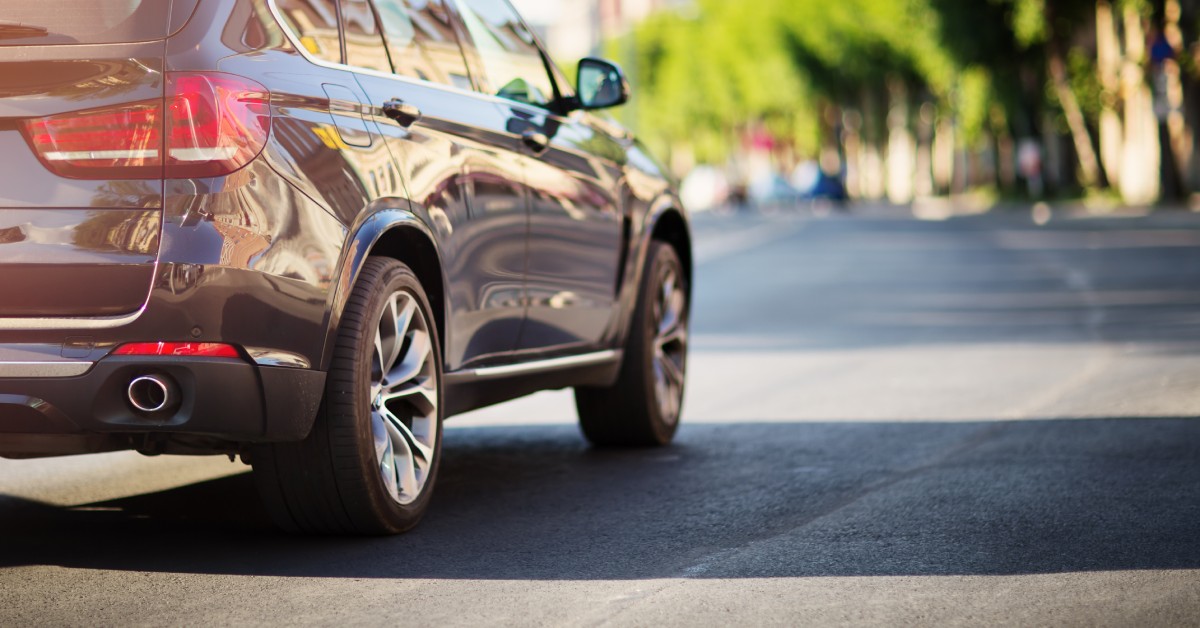
How often do you check your tire pressure? If you’re like most drivers, you probably don’t do it as frequently as you should. Under-inflated tires lead to poor handling, reduced fuel efficiency, and uneven wear.
Airless tires remove this maintenance task entirely. You’ll no longer need to worry about finding an air pump or dealing with a flat tire at an inconvenient time. This “fit-and-forget” convenience is a major selling point for busy drivers who want a more seamless vehicle ownership experience.
Uneven tire wear is a common issue with pneumatic tires, often caused by improper inflation. This leads to premature replacement and added costs. Airless tires wear more evenly than their traditional counterparts, extending the tread’s lifespan.
Some designs even feature replaceable treads, allowing you to swap out the worn tread without replacing the entire tire. This not only saves money but also improves your vehicle’s fuel efficiency by ensuring the tires maintain their optimal shape and rolling resistance over time.
The environmental impact of traditional tires is significant. Each year, drivers discard millions of tires because of irreparable damage or uneven wear. Airless tire technology has the potential to reduce this waste drastically.
With longer lifespans and the possibility of retreading, fewer tires will end up in landfills. Furthermore, many of the materials used in airless tire prototypes are sustainable or made from recycled sources, aligning with growing consumer concern for the environment.
While the technology is promising, a full-scale transition to airless tires won’t happen overnight. Here’s a realistic timeline of what we can expect to see in the coming years.
In the near future, airless tires will continue to gain wider use in controlled, low-speed environments. Expect to see them on more commercial vehicles, such as delivery bots, golf carts, and small off-road vehicles.
These applications provide a perfect testing ground for manufacturers to gather data and refine their designs without exposing the general public to early-stage technology. For consumers, this period will be about growing awareness as more news and test results become public.
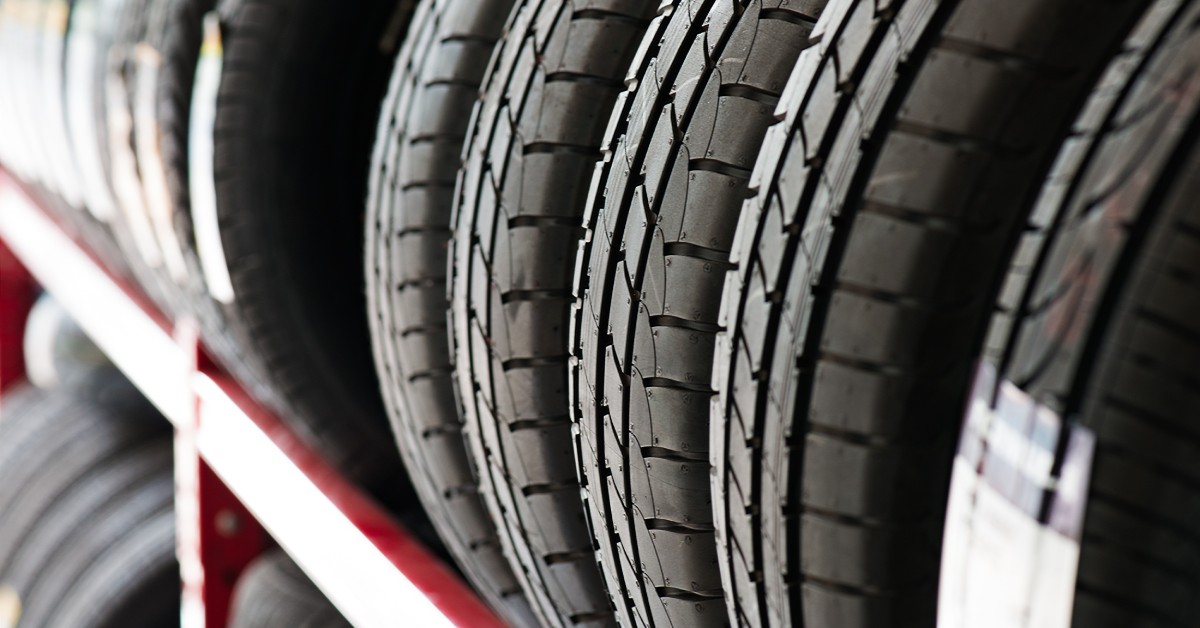
As the technology matures, we will likely see airless tires offered as an optional upgrade for certain electric and autonomous vehicles. Fleets of self-driving taxis or delivery vans are prime candidates for early adoption because the cost savings from reduced maintenance and zero downtime are substantial.
Goodyear’s partnership with Starship Technologies to test NPTs on autonomous delivery robots is a clear indicator of this trend. For the average car owner, this phase might offer the first opportunity to purchase a vehicle with airless tires, though they will likely cost more.
Toward the end of the next decade, airless tires could become a standard feature on many new passenger vehicles. As production scales up and costs come down, they will become more accessible to the mass market.
By this point, the initial challenges—such as ride comfort, noise levels, and heat dissipation—will have been largely addressed. Expect to see a variety of airless tire models tailored for different vehicle types, from sedans and SUVs to high-performance sports cars.
The development of airless tires marks one of the most significant advancements in automotive technology in decades. By eliminating the risk of flats and blowouts, this innovation promises to make our roads safer and our driving experience more convenient. For car owners, this means less time spent on maintenance and more time enjoying the ride.
While a full transition is still several years away, the progress made by industry leaders is undeniable. The next decade will be a transformative period as this technology moves from prototype to production.
In the meantime, you can explore a variety of tires in Tucson for your vehicle at RNR Tire Express. Our knowledgeable team can guide you through a wide selection of tires, accounting for your driving habits, commute distance, and seasonal needs.
Whether you’re looking for fuel-efficient all-season tires or durable options for long commutes, RNR Tire Express has options to enhance safety, performance, and cost-effectiveness.
By signing up you agree to our Privacy Policy.